Colorful Fantasy Wings Isolated on White: A Practical Guide to Selection and Application
In the realm of digital art, graphic design, and creative branding, few elements are as versatile yet visually striking as colorful fantasy wings isolated on white. These illustrations serve as more than mere decorative embellishments; they are powerful symbolic tools that instantly communicate themes of magic, transformation, and mythical grandeur. Whether you are a game developer designing character assets, a marketer creating promotional materials for a fantasy event, or an artist seeking high-quality vector resources, understanding the nuances of this specific asset class is essential for making informed decisions.
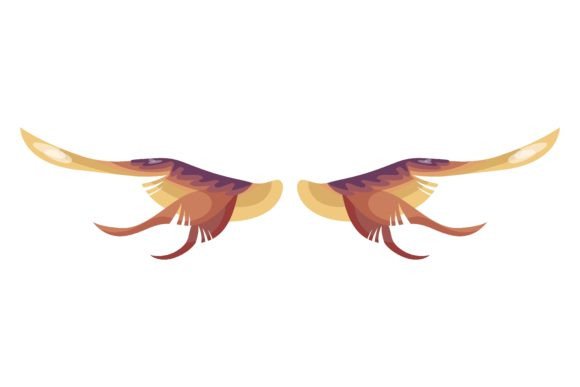
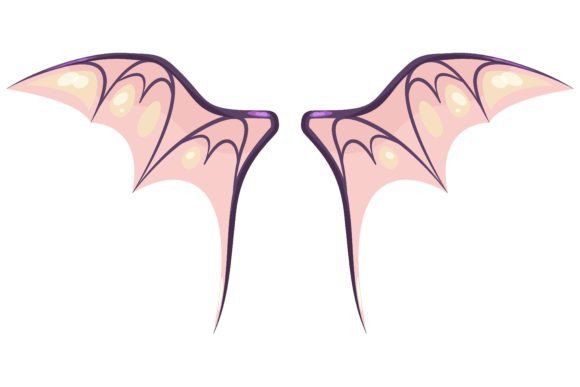
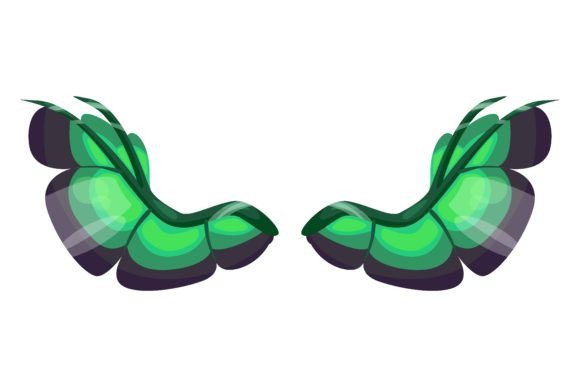
The concept of colorful fantasy wings isolated on white background refers to a specific type of digital illustration where fantastical appendages—ranging from delicate fairy wings to monstrous dragon bat-wings—are rendered in vibrant hues and separated from any surrounding environment. This isolation technique is not merely an aesthetic choice but a functional necessity for modern workflows. By removing the background, designers gain the flexibility to integrate these elements into diverse compositions without worrying about clipping masks, complex transparency issues, or conflicting color palettes.
Distinguishing Features of the Style
What sets colorful fantasy wings isolated on white apart from other wing illustrations is the deliberate emphasis on saturation and clarity. Unlike realistic depictions that might feature muted earth tones or natural lighting gradients, this style often leans into a cartoon or semi-realistic aesthetic designed to pop against any backdrop. The "isolated" aspect ensures that the focus remains entirely on the structure and coloration of the wings themselves.
These images frequently fall under the umbrella of magical monster wings or decorative emblems. They are characterized by:
- Vibrant Color Palettes: Expect gradients of neon blues, fiery reds, ethereal purples, and golden yellows that defy natural biology.
- Clean Outlines: Many variations utilize bold strokes to define the edges, ensuring visibility even when scaled down or placed over busy textures.
- Mythological Diversity: The collection spans various creature types, including avian, insectoid, draconic, and angelic forms, each offering a unique silhouette.
This distinct visual language makes them particularly effective for user interface (UI) design, where icons must be immediately recognizable, and for merchandise printing, where high-contrast graphics translate better to fabric or vinyl.
Evaluating Options: Formats and Artistic Approaches
When researching resources for your project, you will encounter several different formats and artistic approaches. Understanding the tradeoffs between these options is critical before committing to a specific download or purchase. The primary decision factor usually lies between raster-based illustrations and vector-based graphics.
Raster vs. Vector Considerations
Raster images (such as PNG files) are pixel-based. When you find a cartoon illustration of colorful fantasy wings in this format, the quality is dependent on the resolution. While these files often capture intricate details, shading, and texture effects beautifully, they can become pixelated if scaled up significantly. They are ideal for web use, social media posts, or print projects where the final dimensions are fixed and known.
Conversely, vector graphics (SVG, EPS, AI) are mathematically defined. If your project requires resizing the colorful fantasy wings isolated on white from a small icon to a massive billboard, vectors are the superior choice. They maintain crisp edges at any scale. However, vector files sometimes lack the complex, painterly textures found in high-end raster illustrations. For a purely flat, clean look suitable for logos or app icons, vectors are often preferred. For a rich, detailed fantasy scene, high-resolution raster images may be necessary.
Artistic Styles and Their Applications
Beyond file formats, the artistic style dictates the appropriate use case. You might encounter:
- Flat Design: Minimalist wings with solid colors and no shading. These are excellent for modern UI elements, badges, and infographics where clutter must be avoided.
- Semi-Realistic: Detailed textures, light reflections, and anatomical accuracy. These fit best in book covers, RPG rulebooks, and cinematic posters.
- Chibi/Cartoon: Exaggerated features and bright, saturated colors. These are perfect for children's books, mobile games, and lighthearted marketing campaigns.
Comparing Use Cases: When to Choose This Asset
Selecting the right visual asset depends heavily on the context of your project. Colorful fantasy wings isolated on white offer a unique advantage due to their neutrality. Because the background is transparent or white, they do not impose a setting on the viewer, allowing them to adapt to various environments.
For Game Development: If you are creating a 2D side-scroller or a mobile RPG, these assets are invaluable. The isolation allows developers to layer the wings behind characters, in front of them, or as part of the HUD. The variety of styles means you can match the wings to the specific power level or race of a character without needing to redraw them.
For Branding and Emblems: Organizations looking to create a logo based on mythical creatures often struggle with integrating complex backgrounds. Using magical monster wings cartoon illustration assets that are already isolated simplifies the process. The vibrant colors help establish brand identity, while the clean separation ensures the logo remains legible across different mediums, from business cards to website headers.
For Print and Merchandise: When printing on t-shirts, mugs, or stickers, the contrast provided by a white-background isolation is crucial. It prevents unwanted artifacts from appearing around the edges of the design. Furthermore, the "fantasy" theme appeals to a broad demographic interested in gaming, literature, and cosplay, making it a safe bet for commercial products.
Limitations and Decision Factors
While highly versatile, relying on pre-made assets like colorful fantasy wings isolated on white does come with limitations that professionals must consider. The most significant challenge is originality. Since these assets are widely available, there is a risk of your project featuring imagery that looks generic or indistinguishable from competitors' work.
Another consideration is the thematic consistency. A cartoon illustration of dragon wings might clash aesthetically with a dark, gritty, photorealistic horror game. Similarly, a highly detailed, textured wing might look out of place in a minimalist, flat-design application. The key is to ensure the chosen asset aligns with the overall tone of your project. If your project demands a cohesive narrative, mixing different artistic styles of wings can break immersion.
Additionally, licensing terms vary widely. Some resources labeled as free downloads may restrict commercial use, requiring attribution or prohibiting modification. When evaluating options, always review the license agreement to ensure you have the right to modify the colorful fantasy wings isolated on white for your specific needs, such as recoloring or combining them with other elements.
Strategic Alternatives and Complementary Resources
If pre-made assets do not perfectly meet your criteria, there are alternative approaches to consider. One option is commissioning custom artwork. While more expensive and time-consuming, a custom illustration guarantees that the mythical creatures and decorative emblems are tailored exactly to your vision, eliminating the risk of copyright issues or stylistic mismatches.
Another strategy involves using modular design systems. Instead of searching for a complete pair of wings, some designers prefer to buy individual components—such as feathers, bone structures, or glowing effects—that can be assembled to create unique combinations. This approach offers greater control over the final composition and can result in a more distinctive look.
Finally, consider the integration of motion. Static colorful fantasy wings isolated on white are great for print and static web design, but adding subtle animation can elevate the impact for video content or interactive apps. Motion graphics libraries often provide similar assets with built-in animations, though they require more technical expertise to implement effectively.
Making the Final Choice
The decision to use colorful fantasy wings isolated on white ultimately hinges on the balance between efficiency, budget, and artistic integrity. For projects with tight deadlines or limited budgets, these assets provide an immediate solution that delivers high visual impact. They allow creators to focus on the broader aspects of their work rather than spending hours drawing intricate wing structures.
However, for brands or franchises aiming for a unique identity, these assets should be treated as a starting point rather than a final product. Modifying the colors, adjusting the proportions, or combining multiple elements can transform a generic stock image into a signature design element. By carefully evaluating the strengths and limitations of these resources, you can make an informed decision that enhances your project without compromising its quality or originality.
Whether you are building a world of magical monster wings or simply need a striking accent for a flyer, the versatility of these isolated illustrations makes them a staple in the modern designer's toolkit. With the right selection and thoughtful application, they can bring a touch of the mythical to life in any medium.