Dragon Art: The Enduring Symbolism and Modern Evolution of Mythical Design
The dragon has long stood as one of the most potent and recognizable symbols in human history. From the majestic, serpentine creatures of Eastern mythology to the fire-breathing beasts of Western fantasy, dragon art captures the imagination across cultures and centuries. For designers, marketers, and creators, incorporating dragon motifs into visual identities is not merely a nod to ancient legend; it is a strategic decision that taps into deep-seated associations with power, protection, and transformation. In today’s digital landscape, where attention is scarce and competition is fierce, the ability to leverage these archetypal images effectively can significantly enhance brand resonance.
Dragon art is no longer confined to medieval tapestries or fantasy novel covers. It has evolved into a versatile design element used in corporate branding, gaming interfaces, fashion labels, and digital illustrations. Whether rendered in a flat vector style for a tech startup or depicted in an ornate heraldic crest for a martial arts school, the dragon serves as a powerful conduit for storytelling. This article explores the nuances of dragon design, examining how traditional symbolism intersects with modern aesthetic trends and practical application needs.
The Dual Nature of Dragon Symbolism
To understand the impact of dragon art, one must first appreciate its dual nature. In Asian culture, particularly within Chinese and Japanese traditions, the dragon (long) is often viewed as a benevolent creature associated with water, rainfall, and imperial authority. These dragons are typically depicted without wings, possessing a serpentine body that symbolizes longevity, wisdom, and good fortune. Conversely, Western dragons are frequently portrayed as winged reptiles, guardians of treasure, and agents of chaos or destruction. This distinction is crucial for designers, as the choice of style dictates the emotional response of the audience.
- Eastern Influence: Designs inspired by Chinese or Japanese aesthetics often emphasize fluid lines, intricate patterns, and elements like clouds or pearls. These styles are ideal for brands seeking to convey elegance, tradition, and harmony. A chinese dragon logo might use red and gold colors to signify luck and prosperity, appealing to businesses in finance, luxury goods, or cultural festivals.
- Western Influence: Western interpretations often focus on strength, aggression, and dominance. These designs may feature sharp claws, large wings, and fiery breath. Such imagery is prevalent in sports teams, gaming companies, and security firms that wish to project an image of invincibility and protection.
Understanding this cultural dichotomy allows creators to avoid missteps and ensure their visual communication aligns with their intended message. A modern brand aiming for global appeal might blend these elements, creating a hybrid creature that suggests both ancient wisdom and formidable strength.
Evolution of Style: From Traditional to Contemporary
The visual language of dragon art has undergone significant transformation over the past few decades. While traditional depictions relied on detailed ink drawings or woodblock prints, contemporary design favors scalability and versatility. The rise of digital media has necessitated the creation of vector graphics that remain crisp at any size, from a mobile app icon to a billboard advertisement.
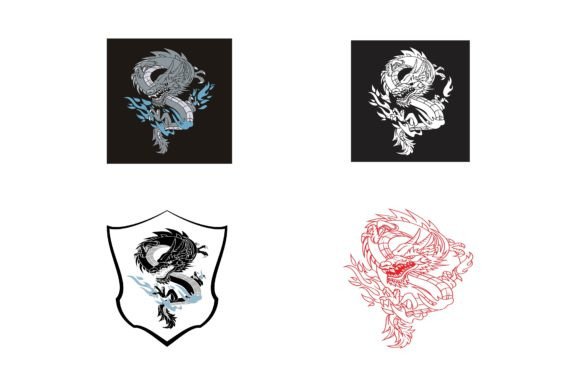
One notable trend is the shift toward minimalist and flat design. Complex, highly detailed illustrations are increasingly being simplified into clean shapes and bold outlines. This approach not only improves load times for web applications but also ensures that the core identity of the dragon remains clear even when reduced to a small favicon. For instance, a dragon logo designed for a fintech company might strip away the scales and fire, focusing instead on a sleek, abstract silhouette that suggests speed and security.
Conversely, there is a growing appreciation for vintage and retro styles. Nostalgia plays a significant role in consumer behavior, and designs that mimic medieval manuscripts or heraldic badges evoke a sense of timelessness and authenticity. These styles are particularly effective for craft breweries, artisanal products, and heritage brands looking to distinguish themselves from the sterile aesthetics of modern tech giants.
Practical Applications in Branding and Identity
For entrepreneurs and business owners, integrating dragon art into their branding strategy requires careful consideration of context. The dragon is a strong symbol, and its use should be deliberate rather than decorative. Here are several practical ways dragon motifs are currently utilized across various industries:
1. Gaming and Entertainment
The gaming industry remains the primary consumer of fantasy-themed art. Gamer audiences expect high-fidelity visuals that immerse them in mythical worlds. Here, dragon vector assets are used extensively for character skins, level backgrounds, and promotional materials. The emphasis is on dynamic action, vibrant colors, and dramatic lighting. Designers often experiment with gradient effects and abstract shapes to create unique visual identities that stand out in a crowded market.
2. Corporate and Business Identity
In the corporate world, dragons are less common but still present, particularly in sectors related to finance, insurance, and technology. In these contexts, the dragon represents stability and foresight. A corporate logo featuring a dragon might use a monochrome palette, such as black and white or navy blue, to convey professionalism. The design is likely to be geometric and structured, avoiding the chaotic energy associated with wild beasts. For example, a cybersecurity firm might use a dragon shield motif to symbolize protection against digital threats.
3. Fashion and Lifestyle
Fashion brands often use dragon imagery to evoke rebellion, luxury, or exoticism. Tattoo culture has heavily influenced mainstream fashion, with dragon sleeves and back pieces becoming popular motifs. Designers incorporate oriental patterns, tribal lines, and ornate details into clothing prints and accessories. This trend appeals to consumers who value individuality and artistic expression. Additionally, the zodiac connection of the dragon in Chinese astrology makes it a timely design element during specific years, driving seasonal marketing campaigns.
Technical Considerations for Digital Assets
When selecting or commissioning dragon art, technical specifications are just as important as aesthetic choices. Vector formats (such as SVG or AI) are essential for logos and icons because they allow for infinite scaling without loss of quality. This is particularly relevant for responsive web design, where images must adapt seamlessly to different screen sizes.
For more illustrative purposes, raster images with high resolution are preferred. However, creators must ensure that file sizes are optimized for web performance. Compressing images while maintaining clarity is a key skill for web developers and designers. Furthermore, accessibility considerations should not be overlooked. Alt text for dragon images should accurately describe the visual content, aiding users who rely on screen readers.
Another technical aspect is the use of isolated graphics. Having dragon elements isolated on a transparent background provides maximum flexibility for layout designers. They can easily integrate the dragon into various compositions, whether it is placed behind text, used as a watermark, or combined with other graphic elements like flames, clouds, or geometric shapes.
Trends Shaping the Future of Dragon Design
As we look ahead, several trends are likely to shape the future of dragon art. One such trend is the integration of augmented reality (AR) and virtual reality (VR). Imagine a brand logo that, when scanned with a smartphone, transforms into a 3D animated dragon that flies around the user’s environment. This interactive approach adds a layer of engagement that static images cannot achieve.
Additionally, sustainability is becoming a focal point in design. Eco-friendly branding may see a resurgence of nature-inspired dragon designs, depicting creatures in harmony with their environment rather than dominating it. These "guardian" dragons could symbolize environmental protection and conservation efforts, appealing to environmentally conscious consumers.
The rise of AI-generated art is also impacting the field. While AI tools can produce stunning dragon illustrations quickly, the human touch remains irreplaceable for nuanced storytelling and brand alignment. Designers are learning to collaborate with AI, using it as a tool for brainstorming and prototyping rather than a replacement for creative direction.
Conclusion
Dragon art is far more than a relic of the past; it is a living, evolving form of visual communication that continues to captivate audiences worldwide. By understanding the cultural roots, stylistic variations, and practical applications of dragon imagery, creators can harness its power to build compelling brands and engaging experiences. Whether you are designing a logo for a new startup, illustrating a children’s book, or developing a video game, the dragon offers a rich well of inspiration. As technology advances and cultural trends shift, the dragon will undoubtedly continue to adapt, remaining a timeless symbol of mystery, strength, and beauty in the world of design.