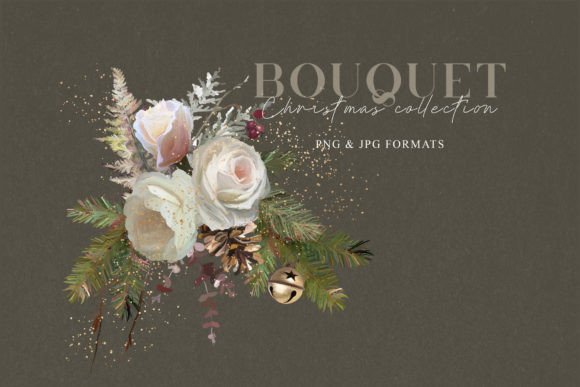
Floral Bouquet Wedding Clipart
In the realm of digital design and creative production, the efficiency of asset management often dictates the quality of the final output. For designers, marketers, and small business owners, sourcing high-quality visual elements is not merely an aesthetic choice but a critical component of workflow optimization. Among the vast array of available graphics, Floral Bouquet Wedding Clipart stands out as a versatile resource that bridges the gap between traditional artistic techniques and modern digital utility. Specifically, assets such as the Christmas bouquet of rose flowers, decorations, and decorative branches rendered in an oil painting technique offer a unique blend of warmth, texture, and professionalism.
Understanding how to integrate these specific digital artworks into your projects requires more than just downloading a file; it involves recognizing the technical specifications, compatibility factors, and strategic applications that maximize their value. This article explores the practical implementation of floral clipart, focusing on the transition from raw digital assets to polished, market-ready designs across various industries.
The Intersection of Traditional Art and Digital Utility
One of the most compelling aspects of premium clipart collections is the preservation of traditional artistic integrity within a digital framework. The product description highlights a bouquet made using an oil painting technique. In a digital context, this translates to rich textures, subtle color gradients, and organic imperfections that vector graphics often lack. When you utilize Floral Bouquet Wedding Clipart that mimics hand-painted aesthetics, you are effectively outsourcing the time-intensive process of illustration while retaining the human touch that resonates with audiences.
This distinction is crucial for brands aiming to convey authenticity. Whether you are creating holiday invitations or branding materials for a boutique florist, the visual weight of an oil-painted style suggests care, luxury, and attention to detail. However, the true power lies in the delivery format. Receiving these illustrations in both PNG (with a transparent background) and JPG (with a white background) formats ensures flexibility. The PNG allows for seamless layering over complex backgrounds, while the JPG provides immediate usability for simple layouts where transparency is unnecessary. Both formats boasting a resolution of 300 DPI guarantee that the images remain crisp and professional, regardless of whether they are viewed on a mobile screen or printed on high-quality cardstock.
Strategic Implementation Across Creative Workflows
To derive maximum value from these assets, it is essential to map their usage against different stages of a project lifecycle. The versatility of floral clipart means it can be deployed before, during, and after the core development phase of a campaign or personal project.
Pre-Production: Mood Boarding and Concept Development
Before a single pixel is pushed in a design software, the conceptualization phase benefits immensely from high-fidelity reference imagery. Designers and planners can use these floral bouquets to establish a tonal baseline. For instance, if a client requests a "rustic elegance" theme for a winter wedding, placing the oil-painted rose bouquet on a mood board immediately communicates the desired texture and color palette. This reduces back-and-forth communication by providing a concrete visual anchor. It helps stakeholders align on expectations regarding warmth, seasonality, and artistic style, streamlining the approval process early in the timeline.
Production: Core Design and Asset Integration
During the active design phase, the technical attributes of the clipart become paramount. The 300 DPI resolution is non-negotiable for print-heavy workflows. When integrating Floral Bouquet Wedding Clipart into documents intended for physical distribution—such as greeting cards, gift tags, or home textiles—the image must withstand the scrutiny of close inspection. Lower-resolution images would result in pixelation or blurriness upon printing, undermining the perceived value of the final product.
Furthermore, the dual-format availability supports efficient file organization. A well-structured workflow involves sorting assets by use case. Keep the transparent PNGs in a folder designated for composite designs where the background needs to be manipulated, such as social media posts or website headers. Reserve the white-background JPGs for straightforward placements like email signatures or simple document letterheads. This categorization reduces search time and minimizes errors related to incorrect file selection.
Post-Production: Marketing and Distribution
The utility of these assets extends beyond the initial creation. Once designed, these materials serve as marketing tools. For example, a cosmetic brand might use the floral imagery on sublimated packaging or promotional postcards. Because the product includes decorative branches and roses, these elements can be isolated and repurposed as recurring motifs across a brand’s visual identity. Consistency in visual language builds recognition. By reusing the same high-quality floral assets across different touchpoints—from digital ads to physical gift tags—you create a cohesive brand experience that reinforces trust and professionalism.
Compatibility and Technical Considerations
Successful integration depends heavily on understanding the technical boundaries of your chosen tools. While Floral Bouquet Wedding Clipart is highly compatible with major design platforms like Adobe Photoshop, Illustrator, Canva, and Affinity Designer, users must adhere to best practices to maintain image integrity.
- Color Profiles: Ensure your working document matches the color profile of the source image. Although JPGs often default to sRGB, professional print workflows may require CMYK conversion. Always check the original image’s metadata or convert carefully to avoid color shifts, particularly in the delicate tones of oil paintings.
- Scalability: Raster images (PNG/JPG) lose quality when scaled up significantly. Plan your layout dimensions before importing the clipart. If you need to enlarge the bouquet for a large banner, consider starting with a higher-resolution master file or combining multiple instances of the asset to create a pattern, rather than stretching a single small image.
- Layer Management: When using the transparent PNG version, organize your layers logically. Group the floral elements together so they can be moved or adjusted as a single unit. This practice enhances efficiency, especially when making iterative changes to the composition.
Diverse Use Cases and Market Applications
The described product—a Christmas bouquet of rose flowers, decorations, and decorative branches—is inherently seasonal yet adaptable. Its application spans multiple sectors, each requiring a slightly different approach to implementation.
Event Planning and Stationery: For wedding planners and stationery designers, these assets are gold. They can be used to create custom invitations, save-the-date cards, and thank-you notes. The oil painting style adds a layer of sophistication that appeals to couples seeking a romantic, timeless aesthetic. The inclusion of Christmas-themed decorations allows for year-round relevance, bridging the gap between holiday celebrations and winter weddings.
Retail and E-commerce: Small business owners selling handmade goods, cosmetics, or home decor can leverage these images for product mockups and online listings. Sublimation printing on mugs, tote bags, or cushions becomes effortless when you have pre-designed, high-resolution floral assets. The transparent background feature is particularly useful here, allowing designers to place the bouquet directly onto product surfaces in mockup templates without manual masking.
Content Creation and Blogging: Educators, bloggers, and influencers can enhance their written content with visually appealing graphics. A blog post about holiday decorating tips becomes more engaging when illustrated with relevant, high-quality clipart. Similarly, educators creating printable worksheets or classroom decorations can use these images to make learning materials more inviting for students.
Quality Control and Ethical Usage
When incorporating third-party digital artworks into your workflow, quality control and ethical considerations are vital. First, always verify the licensing terms associated with the Floral Bouquet Wedding Clipart. Most commercial clipart licenses allow for use in end products sold to clients, but restrictions may apply to reselling the raw digital files themselves. Ensure your usage complies with the provider’s guidelines to avoid legal complications.
Additionally, perform a final quality check before publishing or printing. Zoom in to 100% to inspect edges for any anti-aliasing artifacts, especially around the intricate details of the branches and rose petals. Check for color consistency across all devices and print proofs. Since the product contains digital artworks only, ensure you have the necessary software to open and edit the files. Mock-ups and fonts shown in advertisements are for visualization purposes and should not be assumed to be included unless explicitly stated.
Conclusion
Incorporating Floral Bouquet Wedding Clipart into your creative arsenal is a strategic decision that enhances both the aesthetic quality and operational efficiency of your projects. By leveraging the technical strengths of 300 DPI resolution, dual-format availability, and oil-painted realism, you can produce materials that stand out in a crowded marketplace. Whether you are designing intimate wedding invitations, launching a seasonal product line, or simply enhancing your digital content, these assets provide a reliable, professional foundation. The key to success lies in proper preparation, thoughtful integration, and rigorous quality control, ensuring that every visual element contributes meaningfully to your overall goal.