Lily of Valley Vector Illustration: A Practical Evaluation for Design Professionals
In the competitive landscape of digital and print design, the difference between a competent project and an exceptional one often lies in the quality of the assets employed. The Lily of Valley Vector Illustration, particularly when paired with complementary elements like elderflower silhouettes and decorative rose motifs, represents a specific category of high-value creative resources. For professionals ranging from graphic designers and brand managers to freelancers and small business owners, understanding the nuances of these assets is crucial. This evaluation moves beyond surface-level aesthetics to examine the functional utility, technical specifications, and strategic application of this particular design collection.
Defining the Asset Class and Visual Characteristics
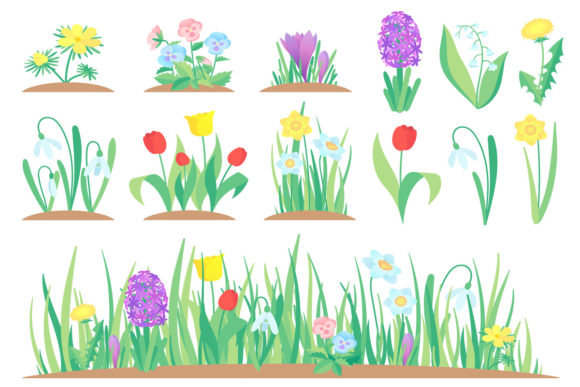
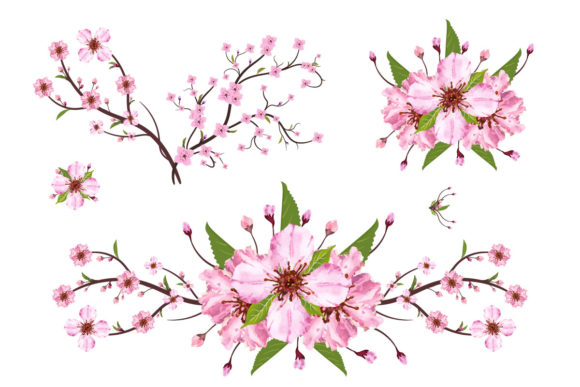
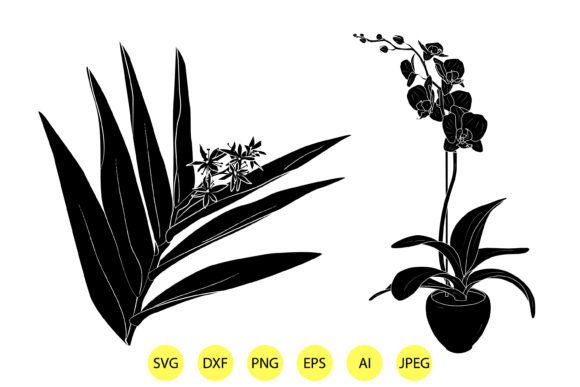
The term Lily of Valley Vector Illustration refers to a digital graphic constructed using mathematical paths rather than pixels. This fundamental distinction allows for infinite scalability without loss of resolution, a non-negotiable requirement for modern branding and large-format printing. The specific collection described here expands on the classic botanical theme by integrating a set of decorative elderflower lily of valley flowers silhouettes. This combination offers a layered visual narrative that is both elegant and versatile.
The inclusion of a vector rose isolated on white alongside a set of black decorative rose silhouettes introduces a contrasting element of boldness. While the lily of valley and elderflower evoke softness, romance, and natural delicacy, the black rose silhouettes provide structural weight and dramatic contrast. When viewed as a cohesive unit, these flower motif sketches create a comprehensive toolkit for floral design. The ability to isolate these icons on a white background ensures they can be seamlessly integrated into complex layouts without unwanted clipping or background interference.
Technical Specifications and Workflow Integration
For the serious creator, the format availability is often more critical than the artistic style itself. The delivery of this design in seven distinct file formats—SVG, PDF, EPS, AI, DXF, PNG, and JPEG—demonstrates a high level of foresight regarding user workflow compatibility. Each format serves a specific purpose within a professional ecosystem:
- AI and EPS: These are the industry standards for Adobe Illustrator. They preserve editable vector data, allowing designers to manipulate anchor points, adjust stroke weights, and recolor elements without degrading quality. This is essential for customizing the Lily of Valley Vector Illustration to fit specific brand color palettes.
- SVG: As the standard for web graphics, SVG files ensure crisp rendering across all device resolutions, from mobile screens to 4K monitors. This is vital for responsive web design where image clarity is paramount.
- DXF: The inclusion of DXF (Drawing Exchange Format) is a significant differentiator. This format bridges the gap between digital design and physical fabrication. It allows the illustrations to be used directly with CNC machines, laser cutters, and vinyl plotters, making it ideal for signage, die-cutting, and architectural modeling.
- PNG and JPEG: While rasterized, these formats offer immediate usability for social media posts, email newsletters, and quick mockups where vector editing software is not required.
- PDF: Portable Document Format ensures that the layout remains intact when sharing proofs with clients or preparing files for commercial printers who may not have access to proprietary software versions.
The statement that these files can be used with any version of Adobe Photoshop or Illustrator suggests backward compatibility and broad accessibility. However, professionals should note that while older versions of software can open newer files, some advanced features might require updates. Nevertheless, the core vector data remains accessible, ensuring long-term usability regardless of software iteration cycles.
Strategic Applications and Real-World Performance
The versatility of the Lily of Valley Vector Illustration extends far beyond simple decoration. Its primary strength lies in its adaptability across various mediums. In the realm of branding, the combination of delicate lilies and bold roses allows for sophisticated logo design that balances femininity with strength. The silhouette aspect of the elderflower and rose sets makes them particularly effective for monochrome applications, such as embossing on stationery, laser engraving on wood or acrylic, or creating subtle watermarks on digital documents.
For marketers and content creators, these assets solve the common problem of finding consistent imagery that matches a brand's tone. A wedding planner, for instance, can utilize the full set to create invitations, website headers, and social media graphics that maintain visual consistency. The "Flower icon" designation implies a modular approach; individual elements can be extracted to serve as bullet points, section dividers, or UI elements in app design. The clean lines of the vector illustration ensure that even at small sizes, the details remain legible, avoiding the pixelation that plagues low-quality stock photography.
Evaluating Quality, Consistency, and Limitations
When assessing the quality of vector assets, two factors dominate: path efficiency and layer organization. A well-constructed Lily of Valley Vector Illustration will feature clean, uncluttered paths that minimize file size without sacrificing detail. If the code is bloated with unnecessary nodes, it can slow down performance in Adobe Illustrator, especially when working on complex projects with multiple layers. While the product description highlights the variety of formats, the internal structure of the vector paths determines how easily a designer can modify the shapes.
The aesthetic consistency is another key metric. Mixing styles—such as combining a sketch-style flower with a photorealistic vector—can result in a disjointed final product. This collection appears to maintain a unified style, utilizing silhouette and line-work techniques that complement each other. The transition from the organic curves of the lily of valley to the structured geometry of the rose silhouettes requires careful balancing to avoid visual chaos. If executed well, the result is a harmonious composition that feels intentional rather than accidental.
However, potential users must consider limitations inherent to the medium. Vector art, by definition, lacks the texture and depth of a hand-painted illustration or a high-resolution photograph. For projects requiring hyper-realism or specific textural nuances, these illustrations may need to be combined with photographic elements or textured overlays. Additionally, the reliance on specific software for full functionality means that clients receiving only flattened images (like JPEGs) cannot edit the artwork, which can limit collaborative flexibility if the original source files are not shared.
Who Benefits Most from This Collection?
This resource is particularly valuable for a specific demographic of professionals. Freelance designers and agencies benefit from the time-saving aspect of having pre-made, high-quality assets that can be customized rapidly. The availability of DXF files makes it a prime choice for crafters and makers who engage in physical production, such as cutting vinyl decals or designing metalwork. Small business owners looking to establish a professional online presence can leverage these icons to elevate their branding without the cost of commissioning custom illustrations from scratch.
Educators and publishers also find utility in these assets. The clear, scalable nature of the vector files makes them suitable for educational materials, textbooks, and presentation slides where clarity is essential. The black silhouettes are particularly useful for creating high-contrast materials for visually impaired audiences or for use in print-on-demand services where color costs are a concern.
Final Considerations for Implementation
Ultimately, the decision to incorporate the Lily of Valley Vector Illustration and its associated rose and elderflower sets depends on the specific goals of the project. If the objective is to create a flexible, scalable, and professionally polished visual identity, these assets offer significant value. The comprehensive file formats ensure that the design can move fluidly from the screen to the printer, and potentially to the factory floor via DXF integration.
Users should approach these assets with a clear understanding of their intended application. While they are powerful tools for enhancing design, they are most effective when used as part of a broader, thoughtfully curated visual strategy. By selecting the appropriate format and adapting the elements to fit the specific context, professionals can maximize the return on investment, achieving a result that is both aesthetically pleasing and technically robust. For those seeking to elevate their portfolio or streamline their workflow, this collection stands as a reliable and versatile component of the modern designer's toolkit.