No Plastic Label. Trendy Eco Tag. Decora
In an era where sustainability is no longer a niche preference but a mainstream expectation, visual communication plays a pivotal role in consumer decision-making. Shoppers are increasingly scrutinizing packaging, looking for immediate cues that align with their environmental values. This shift has elevated the importance of clear, aesthetically pleasing eco-labels. Among the various design assets available to brands and designers, the No Plastic Label. Trendy Eco Tag. Decora has emerged as a notable option for those seeking to communicate plastic-free commitments without sacrificing modern design standards. This article evaluates this specific decorative asset, exploring its utility, aesthetic appeal, and practical applications for businesses aiming to enhance their sustainable branding.
Understanding the Asset: What Is It?
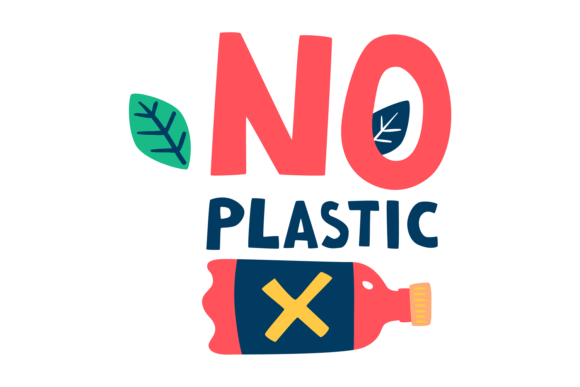
The term No Plastic Label. Trendy Eco Tag. Decora refers to a specific graphic design element, typically available in vector formats such as EPS and raster formats like JPG. At its core, it is a decorative lettering piece designed to convey a "plastic-free" or "eco-friendly" message. Unlike standard regulatory compliance stickers, which often prioritize legal clarity over visual appeal, this asset is categorized under "Decora," indicating a focus on decoration and style.
These labels are usually isolated on a white background, providing designers with flexibility to integrate them into various packaging designs, marketing materials, or digital interfaces. The "trendy" descriptor suggests that the typography and layout follow contemporary design trends, likely incorporating clean lines, organic shapes, or minimalist aesthetics that resonate with modern consumers. By offering both EPS and JPG files, the asset caters to different workflow needs: EPS allows for scalable editing by professional designers, while JPG provides quick access for non-designers or rapid prototyping.
Why Brands Are Seeking Eco-Conscious Visuals
The interest in assets like the No Plastic Label. Trendy Eco Tag. Decora stems from a broader market trend known as "green marketing." Consumers are more informed than ever about the environmental impact of single-use plastics. According to various market research studies, a significant portion of shoppers is willing to pay a premium for products packaged in sustainable materials. However, trust is a critical factor. Vague claims can lead to skepticism, whereas clear, visually distinct labeling can build credibility.
Brands are not just looking for compliance; they are looking for differentiation. In a crowded marketplace, a product that looks and feels responsible stands out. A well-designed eco-tag serves as a silent salesman, communicating the brand’s values instantly. For small businesses and startups, using pre-made, high-quality decorative labels can be a cost-effective way to signal commitment to sustainability without investing in custom graphic design for every SKU.
Benefits of Using Decorative Eco Tags
Integrating a dedicated label like the No Plastic Label. Trendy Eco Tag. Decora offers several strategic advantages:
- Immediate Visual Communication: Text-heavy regulations can be overlooked. A stylized, trendy tag captures attention quickly, ensuring the eco-message is seen.
- Aesthetic Consistency: Modern design trends favor minimalism and organic forms. These tags often complement natural packaging materials like kraft paper, recycled cardboard, or biodegradable films better than traditional barcodes or rigid logos.
- Brand Humanization: Decorative lettering adds a personal, artisanal touch. It suggests that care was taken in the presentation of the product, enhancing perceived value.
- Flexibility: Because these assets are often isolated on white backgrounds, they can be easily overlaid on various textures and colors, allowing for versatile application across different product lines.
Tradeoffs and Considerations
While the appeal is strong, there are important tradeoffs to consider when selecting decorative labels for commercial use.
Clarity vs. Style
The primary risk with "trendy" design is legibility. If the decorative elements overshadow the text, the message may be lost. Consumers need to understand the claim immediately. Designers must ensure that the No Plastic message remains the focal point and is readable at various sizes, especially on small packaging.
Perception of "Greenwashing"
Visual appeal alone does not constitute sustainability. If a product uses a beautiful eco-tag but is actually wrapped in excessive, non-recyclable plastic, it can backfire. Consumers are savvy; they look for substance behind the style. Using such a label requires that the product genuinely adheres to plastic-free or low-plastic standards to maintain brand integrity.
Licensing and Usage Rights
When downloading assets like EPS or JPG files, it is crucial to verify the licensing terms. Some decorative fonts or graphic elements may have restrictions on commercial use. Brands must ensure they have the right to use the No Plastic Label. Trendy Eco Tag. Decora in their final product packaging to avoid legal complications.
Situational Fit: When Is This Asset a Strong Choice?
This type of decorative eco-tag is particularly well-suited for certain business models and contexts:
- Artisanal and Small-Batch Producers: Handmade soaps, organic foods, and craft beverages often benefit from a rustic yet modern aesthetic. A trendy eco-tag fits seamlessly with hand-stamped or simple printed packaging.
- DTC (Direct-to-Consumer) Brands: Online retailers rely heavily on unboxing experiences. A distinctive, stylish label enhances the perceived quality of the package, encouraging social media sharing and word-of-mouth marketing.
- Eco-Friendly Subscription Boxes: Curated boxes focusing on sustainability need consistent visual themes. These tags provide a uniform way to highlight the plastic-free nature of diverse items within the box.
When to Consider Alternatives
There are scenarios where a decorative label might not be the best choice:
- Regulated Industries: Products in the pharmaceutical, cosmetic, or food safety sectors often require strict adherence to labeling laws. In these cases, standardized, high-contrast, and legally compliant labels should take precedence over decorative ones.
- Mass-Market Retail: In large retail environments where shelf space is limited and competition is fierce, simplicity often wins. Highly decorative elements might get lost in the noise. Bold, simple icons or universally recognized symbols (like recycling logos) may be more effective.
- Minimalist Brand Identity: If a brand’s identity is strictly monochromatic and ultra-minimalist, a colorful or complex decorative tag might clash. In such cases, embossing or debossing techniques might offer a subtler, more integrated approach.
Practical Decision-Making Insights
To determine if the No Plastic Label. Trendy Eco Tag. Decora aligns with your goals, consider the following questions:
Does it match your brand voice? If your brand is playful, modern, and youth-oriented, a trendy design is appropriate. If your brand is serious, scientific, or luxury-focused, you might prefer a more understated approach.
Is the message clear? Test the label at the size it will appear on your actual product. Can a consumer read "No Plastic" from a distance? If not, simplify the design.
Does it add value? Will this label enhance the customer experience, or is it merely a checkbox item? Decorative elements should contribute to the overall narrative of the product.
In conclusion, the No Plastic Label. Trendy Eco Tag. Decora represents a smart intersection of form and function for brands looking to communicate sustainability through design. By balancing aesthetic appeal with clear messaging, and ensuring alignment with genuine eco-practices, businesses can leverage such assets to build trust and connect with environmentally conscious consumers. However, success depends on thoughtful integration, ensuring that the decoration supports rather than distracts from the core message of responsibility.