The Art of Black Friday Cartoon Illustration: Designing Festive Visuals for Modern Commerce
In the bustling landscape of modern retail, few events capture the imagination quite like Black Friday. It is a day defined by urgency, excitement, and the thrill of the hunt. But behind every successful promotional campaign lies a visual story, often told through the vibrant medium of cartoon illustration. This unique blend of art and commerce transforms a simple shopping event into a festive experience, using playful characters, bold typography, and engaging design elements to draw consumers in.
Whether you are a small business owner creating an invitation for your store's sale or a graphic designer crafting a banner for a global brand, understanding the nuances of cartoon illustration is essential. This guide explores how these artistic elements—from handwritten lettering to vintage decorative motifs—work together to create compelling messages that resonate with audiences.
Why Cartoon Illustrations Dominate Black Friday Marketing
When consumers scroll through their feeds or walk past storefronts during the holiday season, they encounter thousands of advertisements. To stand out, brands need more than just a price tag; they need emotion. Cartoon illustration offers a distinct advantage because it humanizes the buying process. Unlike stark photography or cold corporate graphics, cartoons invite the viewer into a world of fun and anticipation.
A well-crafted vector image can convey complex ideas instantly. Imagine a cute character holding a shopping bag, surrounded by floating tags and coins. This simple symbol communicates "shopping" and "savings" without needing a single word. The isolated nature of these illustrations allows them to be placed on any background, whether it is a solid black field for high contrast or a textured vintage paper look for a retro feel.
The significance of this style extends beyond mere aesthetics. In an era where digital attention spans are short, a graphic that tells a story in seconds is invaluable. It serves as a template for creativity, allowing designers to adapt a single concept into various formats, from social media posts to physical poster designs.
The Role of Typography and Hand Lettering
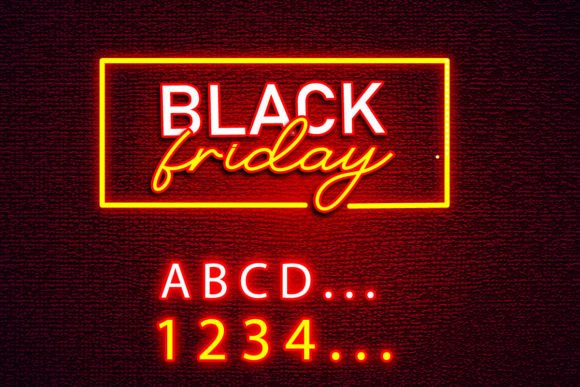
No discussion of Black Friday design is complete without addressing text. The words "Sale," "Discount," and "Offer" must be loud, clear, and stylish. This is where calligraphy and script fonts shine. A hand-drawn headline feels personal and urgent, mimicking the energy of a handwritten note left on a doorstep.
Calligraphic elements add a layer of sophistication that balances the whimsy of cartoon characters. When paired with bold type, such as a heavy sans-serif font for the main headline, the design achieves a perfect harmony between readability and artistic flair. These elements are not just decoration; they are functional tools that guide the eye toward the most important information: the deal.
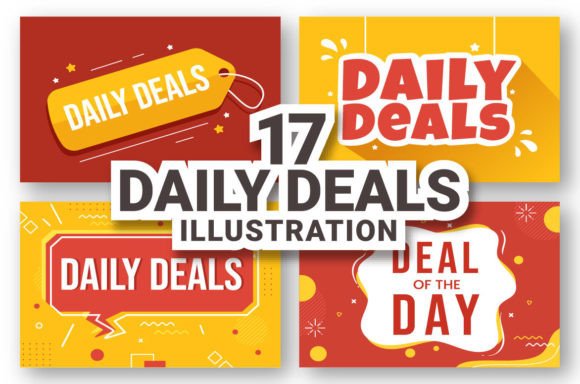
Consider the use of label and tag designs within an illustration. A hanging tag with a price written in a playful font acts as a visual cue, reinforcing the concept of value. Whether used on a card, a letter, or a web banner, these typographic details ensure that the message is received clearly.
Building a Cohesive Visual Concept
Creating a successful Black Friday illustration requires a thoughtful approach to composition. It is about weaving together various decoration items into a unified scene. Think of the illustration as a stage set where every prop has a purpose.
- Select Your Theme: Are you aiming for a retro vibe reminiscent of 1950s diners, or a modern, clean aesthetic? The choice of style dictates the brush strokes, color palette, and line weight.
- Choose Your Characters: The central figure could be a shopper, a mascot, or even an anthropomorphic object like a talking credit card. This character becomes the face of your message.
- Incorporate Symbolism: Use icons like clocks (for time limits), gift boxes (for presents), or lightning bolts (for speed) to enhance the narrative.
- Apply Color Psychology: While Black Friday is named after black, successful designs often utilize red for urgency, gold for luxury, or bright primary colors for excitement.
This structured approach ensures that the final art piece is not just a collection of random drawings but a strategic marketing tool. By focusing on the concept, designers can create visuals that are both memorable and effective.
Technical Aspects: Vector vs. Raster
One of the most critical decisions in creating these illustrations is choosing the right file format. For commercial purposes, vector graphics are the gold standard. Unlike raster images, which lose quality when resized, vector art remains crisp at any size. This makes it ideal for everything from tiny mobile icons to massive outdoor signs.
Vector software allows artists to manipulate individual elements with precision. You can easily change the color of a brush stroke or adjust the curvature of a line without degrading the image quality. This flexibility is crucial when adapting a design for different platforms, ensuring that your home page banner looks as good as your email card.
Furthermore, vectors support transparency, making it easy to place your illustration over any background. Whether you need a white background for a clean look or a patterned backdrop for a festive feel, the isolated nature of the artwork ensures it integrates seamlessly.
Practical Applications in Business and Education
The utility of Black Friday cartoon illustrations extends far beyond traditional advertising. Small businesses, startups, and even educational institutions can leverage these assets to engage their communities.
For a local shop, a custom invitation featuring a cartoon mascot can make customers feel welcomed and valued. It transforms a transactional relationship into a community event. Similarly, e-commerce platforms use these graphics to break up long lists of products, adding visual interest and guiding users through the shopping journey.
In education, these concepts are taught as part of broader courses in graphic design and digital marketing. Students learn how to balance artistic expression with commercial goals. They study how lettering affects readability and how color influences consumer behavior. Understanding these principles prepares them for the real-world demands of the creative industry.
Moreover, the versatility of these designs allows for cross-platform usage. A single illustration can be adapted into a website header, a social media post, a printable flyer, or even merchandise like t-shirts and tote bags. This maximizes the return on investment for the creative effort put into the initial design.
Common Misconceptions About Holiday Design
Despite their popularity, there are several myths surrounding the creation of holiday-themed illustrations. One common misconception is that these designs must be overly cluttered to convey excitement. However, the best designs often rely on negative space and simplicity. A clean layout with a strong focal point is more effective than a chaotic mess of decoration.
Another myth is that cartoon styles are only for children's products. In reality, a sophisticated, stylized cartoon can appeal to adults just as effectively. Think of the sleek, minimalist cartoons used by tech companies or the humorous, witty illustrations found in lifestyle magazines. The key is matching the tone of the art to the target audience.
Finally, many believe that using stock images is sufficient. While stock assets can save time, they often lack the unique personality required to truly connect with a specific brand. Custom drawn illustrations offer a level of originality that stands out in a crowded market. They allow a brand to tell its own story, rather than relying on generic imagery.
Conclusion: Embracing Creativity in Commerce
As we move further into a digital-first economy, the importance of high-quality, engaging visual content continues to grow. Black Friday cartoon illustration represents the perfect intersection of art and commerce, offering a way to celebrate the season while driving sales. By utilizing vector technology, mastering typography, and understanding the power of storytelling through images, designers can create campaigns that are both beautiful and effective.
Whether you are designing a wedding invitation, a poster for a community event, or a major retail banner, the principles remain the same. Focus on clarity, embrace creativity, and always keep your audience in mind. With the right combination of handwriting, script, and graphic design, you can craft a message that resonates, inspires, and ultimately, drives action.
In the end, the goal is to create a visual experience that feels personal and inviting. By treating every element with care and intention, you can turn a simple advertisement into a memorable piece of art that defines the spirit of the season.