Vintage Heraldic Ribbon Title Templates
Designing a brand identity or creating a striking visual for a special event often requires more than just good typography. It demands an element of history, elegance, and authority. This is where the Heraldic Ribbon. Vintage Title Template. steps in as a powerful asset. Whether you are a small business owner launching a premium product line, a blogger looking to elevate your header graphics, or a freelancer crafting a custom invitation suite, these decorative elements provide the perfect finishing touch. They bridge the gap between modern digital clarity and the timeless appeal of classic design.
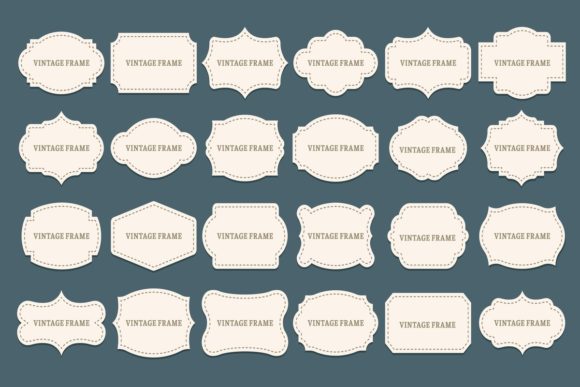
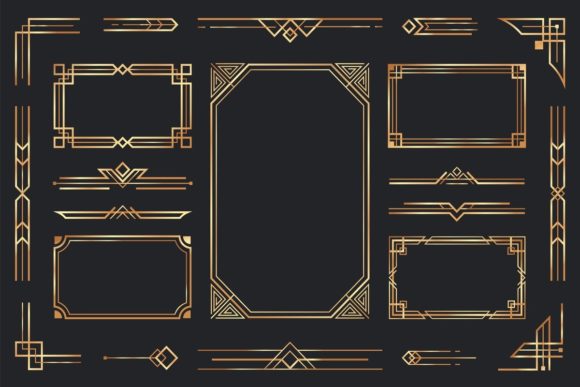
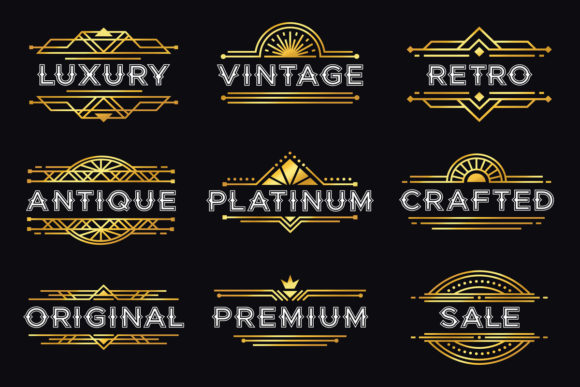
At its core, this template is not merely a banner; it is a structural component of visual storytelling. The phrase "Heraldic ribbon. Vintage title template. Decorative banner isolated on white background EPS, JPG." describes a highly versatile vector and raster file set designed for immediate integration into various creative workflows. By understanding how to utilize these assets, creators can save hours of manual drawing time while achieving a professional, polished look that resonates with audiences who appreciate tradition and quality.
Understanding the Appeal of Heraldic Design
Why do heraldic designs remain relevant in today’s fast-paced digital landscape? The answer lies in their psychological impact. Heraldry originated as a system of identification on medieval shields and banners, conveying lineage, power, and trust. When you apply this aesthetic to a modern context, you subconsciously communicate stability, heritage, and excellence. A Heraldic Ribbon. Vintage Title Template. does not just frame text; it dignifies it.
The visual language of ribbons, scrolls, and crests is universally recognized. Even if a viewer cannot articulate why a logo looks "premium," they feel the weight of tradition behind it. For entrepreneurs in industries like artisanal food production, legal services, academic publishing, or luxury goods, this aesthetic alignment is crucial. It signals to the customer that the brand respects craftsmanship and has roots in established standards. Unlike fleeting trends that fade within months, vintage heraldic styles possess a longevity that ensures your designs remain effective for years to come.
Technical Versatility: EPS, JPG, and Isolation
One of the most significant advantages of using a dedicated template set is the technical flexibility provided by formats like EPS and JPG. Let’s break down why these specific file types matter for your workflow.
- EPS (Encapsulated PostScript): This vector format is invaluable for professionals. Because it relies on mathematical equations rather than pixels, you can scale a Heraldic Ribbon. Vintage Title Template. from a tiny social media icon to a massive billboard without losing any sharpness. This is essential for print-on-demand products, large-format banners, or high-resolution brochures. You can also edit the individual paths, change colors to match your exact brand palette, and adjust the curvature of the ribbon tails to fit your specific layout needs.
- JPG (Joint Photographic Experts Group): While less flexible for editing, JPG files are perfect for quick placement in web headers, email newsletters, or social media posts. They are lightweight and universally compatible with almost all software and browsers. If you need a decorative banner isolated on a white background to overlay onto a photograph or a solid color block, the JPG version offers instant usability without complex layer management.
- Isolated on White Background: The specification of isolation is critical. It means the designer has already removed the clutter, allowing you to drop the ribbon directly onto your canvas. This saves countless hours of using the pen tool to cut out backgrounds. The white background acts as a neutral placeholder that can be easily masked or erased in Photoshop, Illustrator, or Canva, ensuring the focus remains entirely on the text and the ribbon structure.
Practical Applications Across Industries
The utility of a Heraldic Ribbon. Vintage Title Template. extends far beyond traditional printing. Here are several realistic scenarios where these assets solve common design problems.
Branding and Logo Design
For startups aiming for a sophisticated image, incorporating a subtle heraldic element can differentiate them from tech-heavy competitors. Imagine a craft brewery or a boutique coffee roaster using a vintage ribbon to frame their company name. It suggests a careful brewing process and a respect for ingredients. Freelancers can offer this as a value-add service, helping clients create "legacy" logos that feel established even if the business is new.
Event Invitations and Certificates
Weddings, galas, and formal awards ceremonies thrive on decorum. A decorative banner isolated on a white background serves as the perfect container for names, dates, and titles. Educators and corporate trainers can use these templates for certificates of completion, adding a sense of achievement and formality to the document. The vintage aesthetic implies that the accomplishment is worthy of preservation.
Digital Content and Social Media
Blogger marketers often struggle with creating eye-catching featured images. Instead of relying solely on stock photos, integrating a Heraldic Ribbon. Vintage Title Template. around a quote or a headline can increase click-through rates. The ornate nature of the ribbon draws the eye inward toward the text. On platforms like Pinterest or Instagram, where aesthetics drive engagement, this vintage flair stands out against minimalist feeds.
Considerations for Effective Use
While these templates are powerful, they require thoughtful application to avoid looking cluttered or outdated. Here are key factors to keep in mind when working with a Heraldic Ribbon. Vintage Title Template..
- Typography Pairing: The font you choose inside the ribbon must complement the ornate style. Serif fonts with high contrast, such as Bodoni or Garamond, work exceptionally well. Avoid overly modern sans-serif fonts unless you are intentionally going for a juxtaposed, contemporary-retro look. The text should feel like it belongs in the same historical era as the ribbon.
- Color Palette: Traditional heraldry often uses deep, rich colors like burgundy, navy blue, forest green, or gold. These colors convey luxury and seriousness. However, don’t be afraid to adapt these hues to fit a softer brand identity. Muted pastels can work for wedding invitations, while metallic foils can enhance the perceived value of packaging.
- Simplicity is Key: Heraldic designs can become busy quickly. Ensure there is enough negative space within the ribbon for the text to breathe. If the ribbon is too intricate, it may distract from the message. The goal is to frame the content, not overwhelm it.
- Resolution Awareness: Always check the resolution before printing. Even if you have an EPS file, ensure your final export settings are appropriate for the output medium. For web use, sRGB color mode is standard, while print jobs should typically be set to CMYK to ensure color accuracy.
Conclusion
Incorporating a Heraldic Ribbon. Vintage Title Template. into your design toolkit is a strategic move for anyone seeking to add depth and character to their visual communications. Whether you are utilizing the editable precision of EPS files or the convenience of JPG banners, these assets offer a shortcut to sophistication. They allow creators, from hobbyists to seasoned professionals, to communicate values of trust, history, and quality with minimal effort. By respecting the balance between ornate design and clear messaging, you can harness the enduring power of vintage heraldry to make your projects stand out in a crowded digital world.