Evaluating the Cute Robot with Number Three Kid Birthday Decorative Element: A Practical Guide for Event Planning
When organizing a third birthday celebration, parents and event planners are often searching for visual elements that balance charm, thematic relevance, and professional quality. One specific asset that has gained traction in digital design circles is the Cute Robot with Number Three Kid Birthday decorative element. This isolated graphic, typically available in high-resolution formats like EPS and JPG, serves as a focal point for invitations, banners, party favors, and social media announcements. However, understanding its utility requires looking beyond simple aesthetics to consider file versatility, integration into broader design systems, and how it compares to other common third-birthday themes.
This article provides an objective evaluation of this specific decorative element. It explores what makes the robot theme distinct, analyzes the technical advantages of vector versus raster formats, and helps decision-makers determine whether this asset aligns with their specific event goals. By examining the strengths and limitations of using such isolated graphics, readers can make informed choices about how to incorporate them into their celebrations effectively.
Understanding the Asset: What Is a Cute Robot with Number Three?
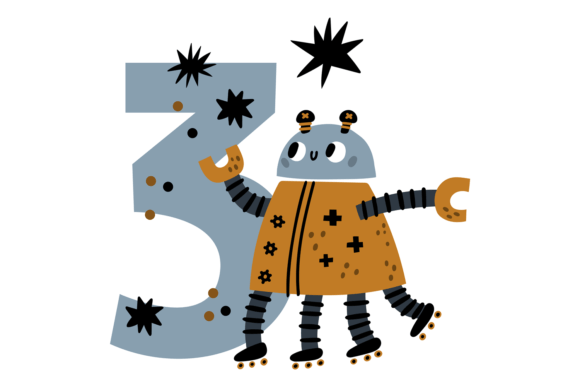
The term "Cute Robot with Number Three" refers to a stylized illustration featuring a friendly, anthropomorphic robot character alongside the numeral "3." These designs are crafted specifically for children’s birthday contexts, utilizing soft colors, rounded edges, and expressive features to appeal to toddlers and their parents. The inclusion of the number "3" immediately signals the occasion, reducing the need for additional textual clarification on certain materials.
What distinguishes this asset from general clipart is its specificity. It is not merely a robot; it is a contextualized element designed for a milestone event. Furthermore, the description "isolated on white background" indicates that the graphic has been carefully cut out or designed without surrounding clutter. This isolation is crucial for designers who wish to layer the image over different backgrounds, integrate it into custom layouts, or print it on various surfaces without unwanted borders or artifacts.
The availability in both EPS (Encapsulated PostScript) and JPG (JPEG) formats offers flexibility. The EPS format represents a vector-based file, meaning the image is composed of mathematical paths rather than pixels. This allows for infinite scaling without loss of quality. In contrast, the JPG format is a raster image, which is widely compatible but limited by resolution. Understanding this distinction is key to evaluating the true value of the asset.
Technical Advantages: Vector vs. Raster for Party Design
For adults managing party logistics, the choice between vector and raster assets can impact the final outcome significantly. When considering the Cute Robot with Number Three Kid Birthday decorative element, the EPS version offers distinct advantages for large-scale applications.
- Scalability: If you plan to print a large banner, a backdrop, or even a t-shirt, a vector EPS file ensures the lines remain crisp and smooth. There is no pixelation, regardless of size. This is particularly important for robots, which often feature geometric shapes and sharp details that look best when rendered cleanly.
- Editability: Vector files allow designers to modify colors, adjust the size of the number "3," or separate the robot from the number if desired. This adaptability means one asset can be tweaked to match a specific color palette, such as changing a blue robot to green to match a room decoration scheme.
- Print Quality: Professional printers generally prefer vector formats for cutting machines (like Cricut or Silhouette) used to create physical party decorations. An EPS file can be sent directly to these devices to cut cardstock or vinyl with precision.
Conversely, the JPG version is beneficial for quick digital use. If you are creating a last-minute email invitation, updating a Facebook event page, or sending a WhatsApp announcement, a JPG is sufficient and easier to handle. It loads quickly on mobile devices and is universally recognized by all software. However, users must ensure the JPG has a high enough resolution (typically 300 DPI for print, though lower is acceptable for screen) to avoid blurriness.
Comparing Themes: Robots vs. Traditional Third Birthday Motifs
A third birthday marks a transition from babyhood to early childhood. Parents often debate between traditional themes—such as animals, princesses, or generic balloons—and more modern, tech-inspired themes like robots. Evaluating the Cute Robot with Number Three Kid Birthday decorative element involves comparing it against these alternatives.
Uniqueness and Memorability
Robot themes stand out because they are less saturated than animal-themed parties. While teddy bears and bunnies are ubiquitous, a cute robot offers a fresh, playful aesthetic that feels contemporary. For parents who want their child’s party to feel unique and slightly edgy yet still age-appropriate, this asset provides a strong visual hook. The mechanical yet friendly nature of a robot can spark imagination and conversation among guests.
Versatility in Application
Traditional themes often require extensive physical decor to convey the message. A jungle theme might need fake leaves, animal figurines, and green drapes. In contrast, a robot theme can be conveyed effectively through minimalistic design. The Cute Robot with Number Three graphic can serve as the primary anchor. When paired with metallic accents, silver streamers, or blue and grey tones, the theme is established without overwhelming the space. This makes it a cost-effective option for budget-conscious planners.
Appeal Across Age Groups
One tradeoff of niche themes is ensuring broad appeal. While young children may be fascinated by robots, older relatives or friends might find animal themes more universally comforting. However, the "cute" aspect of this specific robot design mitigates this risk. By avoiding overly complex machinery or scary cybernetic visuals, the design remains accessible and friendly, appealing to both the birthday child and the adult guests.
Best-Fit Situations and Decision Factors
Determining whether the Cute Robot with Number Three Kid Birthday decorative element is the right choice depends on several practical factors. Below are scenarios where this asset shines, along with considerations for when it might not be the optimal fit.
Ideal Use Cases
- Digital-First Invitations: If your primary communication channel is digital, the JPG version of the robot graphic integrates seamlessly into Canva templates, Photoshop layouts, or email headers. It adds a professional touch without requiring advanced design skills.
- DIY Crafts and Favors: For parents who enjoy hands-on activities, the EPS version is invaluable. You can print the robot on cardstock and cut it out to create window clings, cupcake toppers, or gift tags. The clean isolation on a white background makes it easy to adhere to glass jars or attach to bags.
- Minimalist Party Styles: If you prefer a clean, modern aesthetic over chaotic decoration, this isolated element works beautifully. It allows for negative space in your design, letting the robot character breathe and become the star of the show.
Limitations and Considerations
While versatile, there are limitations to keep in mind. First, the reliance on a single graphic means it must be high-quality. Low-resolution or poorly drawn robots can detract from the party's overall vibe. Second, if your venue already has heavy thematic decor (e.g., a construction site party), adding a robot graphic might create visual clutter unless integrated thoughtfully.
Additionally, some families may have concerns about screen time or technology overload. In such cases, a nature-based theme might be preferred. However, for most households, the robot is viewed purely as a fun, fictional character, making it a safe and popular choice.
Practical Tips for Integration
To maximize the value of the Cute Robot with Number Three Kid Birthday decorative element, consider these practical application strategies:
- Color Coordination: Use the dominant colors of the robot to guide your party palette. If the robot is blue and orange, stick to those hues for balloons, plates, and napkins. This creates a cohesive look that ties the digital assets to physical decor.
- Layering Techniques: In digital designs, try placing the robot behind semi-transparent shapes or combining it with subtle background textures like gears or circuit boards (if available in your design suite). This adds depth without obscuring the main subject.
- Consistency Across Touchpoints: Ensure the same version of the robot is used across all materials. Whether it’s the website RSVP page, the printed menu, or the thank-you notes, consistency reinforces the theme and enhances brand recognition—even for a one-day event.
Conclusion: Making an Informed Choice
The Cute Robot with Number Three Kid Birthday decorative element represents a smart, modern approach to celebrating a child’s third birthday. Its strength lies in its clarity, versatility, and the dual-format availability that caters to both digital and physical needs. By offering a distinct alternative to traditional themes, it allows for creative freedom and memorable visual storytelling.
For parents and planners weighing their options, this asset is particularly suitable for those seeking a blend of simplicity and charm. It excels in DIY projects, digital communications, and minimalist party setups. While it may not suit every family’s taste or venue constraints, its high-quality execution and adaptable nature make it a compelling choice for anyone looking to add a touch of whimsical technology to their celebration. Ultimately, the decision rests on personal preference, but the technical robustness of the EPS/JPG combination ensures that whatever direction you choose, the result will likely be polished and professional.