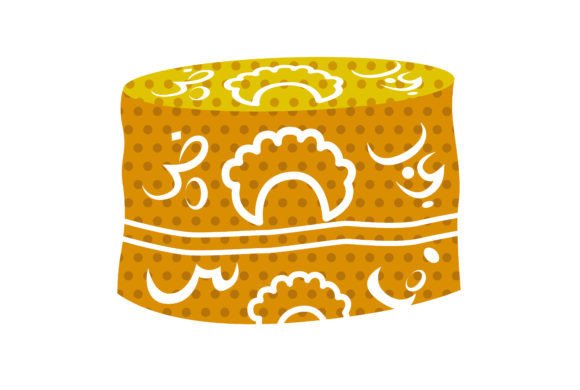
Kofia Hat Kenya Artwork: A Guide to Authentic Cultural Design for Your Projects
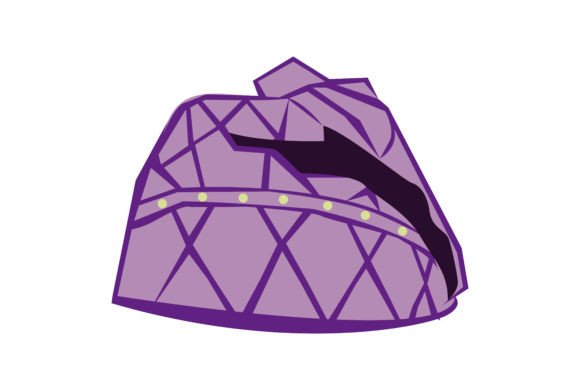
If you are searching for a culture hat design that truly resonates with heritage and style, this nationality illustration is just right for you. The Kofia Hat Kenya Artwork offers more than just a visual element; it represents a deep connection to East African tradition wrapped in a modern, versatile package. Amaze your customers with these decorative design signs that carry the weight of history while fitting seamlessly into contemporary digital and physical products.
However, selecting the right graphic asset is often where creators make critical errors. Many users rush to download a file without verifying its technical specifications or understanding how to apply it effectively across different software platforms. This oversight can lead to pixelated prints, licensing confusion, or designs that simply do not look professional. Before you commit to using this creative graphic for your next project, it is essential to understand what makes this specific artwork stand out and how to leverage its full potential without falling into common traps.
Understanding the Versatility of Traditional Artwork
The beauty of this traditional artwork lies in its adaptability. It is not limited to a single use case but serves as a robust foundation for a wide array of creative endeavors. Whether you are designing book covers, creating art pieces, writing blog posts, or building websites, this image provides an authentic touch that generic clipart cannot match. Invitation cards, stickers, print-on-demand merchandise, greeting cards, banners, business cards, and scrapbooking projects all benefit from the unique aesthetic of the Kofia Hat.
For entrepreneurs and small business owners, this graphic is a strategic asset. Using culturally significant imagery can help brands connect with specific audiences on a deeper emotional level. However, a common mistake is treating cultural symbols as mere decorations without respecting their context. When used correctly, the Kofia Hat becomes a symbol of pride and identity rather than just a pattern. To avoid this pitfall, ensure your surrounding text and layout complement the dignity of the design.
Technical Specifications Matter More Than You Think
One of the most frequent errors beginners make is ignoring resolution requirements before purchasing or downloading a file. The Kofia Hat Kenya Artwork provided here boasts a substantial size of 4936x3319 pixels at 300 DPI. This high resolution is crucial for printing on paper without losing detail. If you attempt to scale down a low-resolution image to fit a large banner, the result will be blurry and unprofessional, damaging your brand's credibility.
Always check the DPI (Dots Per Inch) before starting a print job. While 300 DPI is the standard for high-quality printing, some web-only uses might allow for lower resolutions to save bandwidth. However, since this file is optimized for both digital and physical output, you have the flexibility to use it for large-scale posters or detailed business cards. Ensure your design software is set to the correct color mode (CMYK for print, RGB for web) to maintain color accuracy.
Navigating Software Compatibility and Workflow
This clothing graphic design element is designed to be user-friendly across a spectrum of tools. It can be seamlessly integrated into Photoshop, Photoshop Elements, Illustrator, GIMP, and other designer software. Yet, many users struggle when trying to edit files they do not fully understand. For instance, placing a raster image like a PNG into vector software without tracing it can limit your ability to resize the logo infinitely without quality loss.
If you are working in Adobe Illustrator and need to use the design for a scalable logo, consider tracing the PNG to create a vector version. This step adds extra work but ensures the design remains crisp at any size. Conversely, if you are using GIMP or Photoshop for photo manipulation, ensure you keep the original layers intact. A common mistake is flattening the image too early, which prevents you from adjusting transparency or blending modes later in the workflow.
- Check File Formats: The festival picture is available as PNG and JPG. PNG is ideal for designs requiring transparent backgrounds, while JPG is better for photographic composites.
- Software Settings: Verify your canvas settings match the source file dimensions to avoid automatic resizing artifacts.
- Layer Management: Keep your design elements separate to allow for future edits and adjustments.
Avoiding Licensing and Usage Misunderstandings
p>Another area where creators often stumble is regarding usage rights. While the digital files are packaged conveniently in a ZIP folder, it is vital to read the terms of service associated with the shop visit. Some licenses restrict commercial use, while others may prohibit redistribution. Assuming that because a file is digital and downloadable, it is free for unlimited commercial exploitation is a dangerous assumption that can lead to legal issues.To protect yourself and your business, always confirm whether the license allows for Print on Demand (POD) services. Since this artwork is perfect for POD, ensuring you have the right to sell items featuring the design is non-negotiable. If you are unsure, reach out to the seller or review the license agreement thoroughly. Clarity here saves money and stress in the long run.
Maximizing Quality and Presentation
When applying this creative graphic to invitations, banners, or apparel, the final presentation depends heavily on how well the colors and textures blend. The intricate details of the Kofia Hat require a clean background to shine. Placing the design over a busy or cluttered background can obscure the cultural nuances of the hat, rendering the message ineffective.
Consider the context of your audience. Are you targeting a global market or a local Kenyan community? The interpretation of the symbolism may vary. For educational purposes, such as in blogs or teaching materials, pairing the image with accurate historical context enhances the value of your content. This approach demonstrates respect for the culture and builds trust with your readers.
Finally, test your designs before mass production. Create a small sample of your product—whether it is a sticker, a business card, or a t-shirt—to verify that the colors translate correctly from screen to print. Digital screens emit light, while printed materials reflect it; this difference can alter the perceived vibrancy of the artwork. By conducting a simple proof test, you avoid costly reprints and ensure your customers receive the highest quality product.
By focusing on these practical aspects—technical specs, software handling, licensing clarity, and presentation—you transform a simple image download into a powerful tool for your creative projects. Visit our shop for more sketch art and discover how this nationality illustration can elevate your work while honoring the rich traditions of Kenya.